

How Proper Compaction Improves the Lifespan of Gravel Roads and Access Drives
Traffic loads, equipment weight, and seasonal moisture place constant stress on gravel roads and access drives. Each pass introduces shear forces that test whether the stone mass beneath the tires works as a unified section or shifts under pressure. When compaction is executed correctly, those forces move through the full depth of the gravel rather than concentrating at the surface. That difference governs whether a drive maintains grade or begins to rut, wash, and lose shape.
April 22, 2026
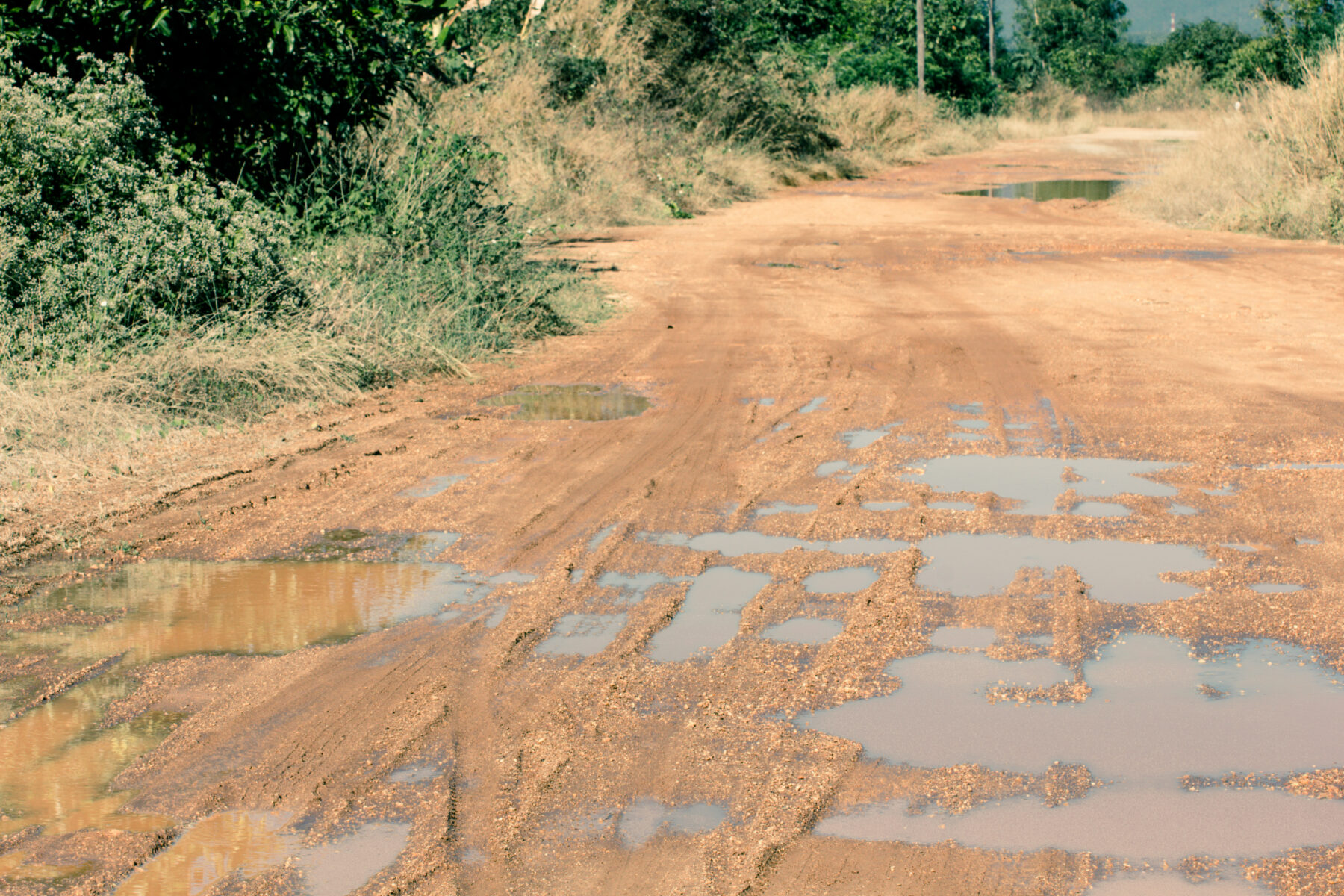
Stone-to-stone contact sits at the center of that behavior. Compaction increases the number and tightness of contact points between particles, transforming loose material into a surface capable of carrying repeated loads without internal movement. Once that structure forms, traffic interacts with the section as a whole instead of rearranging individual stones with every pass.
What Compaction Physically Changes in a Gravel Section
Loose gravel behaves independently under load. Individual stones slide, rotate, and migrate toward the edges, which leads to washboarding and pothole formation. Applying compaction forces particles into closer contact, reducing internal void space and limiting movement under pressure.
Rolling or vibration pushes the aggregate matrix downward and outward. Angular particles seat against one another, forming a stable skeleton that spreads wheel loads laterally instead of allowing them to punch through the surface. That internal structure shields the subgrade from concentrated stress and limits deformation during heavy use. Moisture behavior shifts as well. Tightly packed gravel slows water infiltration and reduces the pumping action that draws fines upward during freeze-thaw cycles, keeping the surface intact through seasonal exposure.
Why Layer Thickness and Lift Control Matter
Placing gravel in a single thick layer and rolling it once leaves weak zones beneath the surface. Compaction energy cannot penetrate fully through excessive depth, which traps loose material where it eventually collapses under traffic.
Controlled lifts allow compaction energy to reach the full depth of each layer. Density builds from the bottom up, eliminating soft pockets before additional material is placed. This approach produces a uniform section where load transfer remains consistent across the width of the drive. Lift control also supports proper crown formation and drainage. When each layer is shaped and compacted intentionally, surface water moves off the drive instead of collecting in low areas, reducing erosion and maintenance demands tied to moisture retention.
Moisture Content and Timing During Compaction
Gravel responds differently to compaction depending on moisture conditions. Material placed too dry resists particle movement, preventing proper seating. Excess moisture introduces lubrication that allows stone to shift rather than lock together.
Ideal conditions occur when moisture lightly coats the aggregate without pooling. Under that balance, compaction energy drives particles into position while friction controls movement. Coordinating placement with weather conditions or applying light water before rolling promotes uniform seating and reduces the risk of a surface that remains loose after traffic begins.
Equipment Selection and Compaction Energy
Different gravel sections require different compaction approaches. Vibratory rollers deliver high energy that seats angular stone effectively in access roads and larger drive systems. Static rollers apply steady pressure suited for maintenance passes and confined areas.
Matching roller weight and vibration frequency to aggregate size prevents surface crushing while still achieving depth compaction. Insufficient energy leaves material loose below the surface, while excessive energy fractures stone and generates fines that disrupt drainage behavior. Density builds through repeated passes rather than speed. Observing surface response during rolling provides clear visual cues when particle seating has reached its limit.
Long-Term Surface Behavior Under Traffic
A compacted gravel surface carries traffic on a stable plane. Tires move across the section without pushing material forward, and edges maintain alignment rather than feathering outward. Grading cycles remove less material because displacement remains limited between maintenance intervals.
Heavy equipment traffic exposes these differences quickly. Drives lacking proper compaction develop ruts and surface movement after only a few loading cycles. Well-compacted sections maintain crown and grade as loaded vehicles pass repeatedly, even in areas exposed to moisture and seasonal temperature swings.
Proper compaction transforms gravel from a temporary surface into a stable access system. Controlled lifts, balanced moisture, and matched compaction energy create internal structure that resists movement under load. When aggregate gradation and placement methods align with site demands, surface behavior remains predictable through traffic cycles and seasonal exposure. The result is reduced repair frequency, smoother travel, and extended usability across every section placed.