

How Commercial Properties Prepare Parking Areas for Peak Summer Traffic and Heat
Summer is hard on a parking lot. The heat softens the asphalt, and the steady flow of cars and trucks adds weight on top of that, so the spots taking the most traffic start to show wear fast. Entry aprons, drive lanes and loading areas usually go first. Keeping a lot in good shape through the season means looking past the surface, because what holds it together sits in the layers you cannot see. Getting those layers right is what keeps the whole surface standing up to the heat and the load.
July 14, 2026
What Heat Does to Pavement Structure
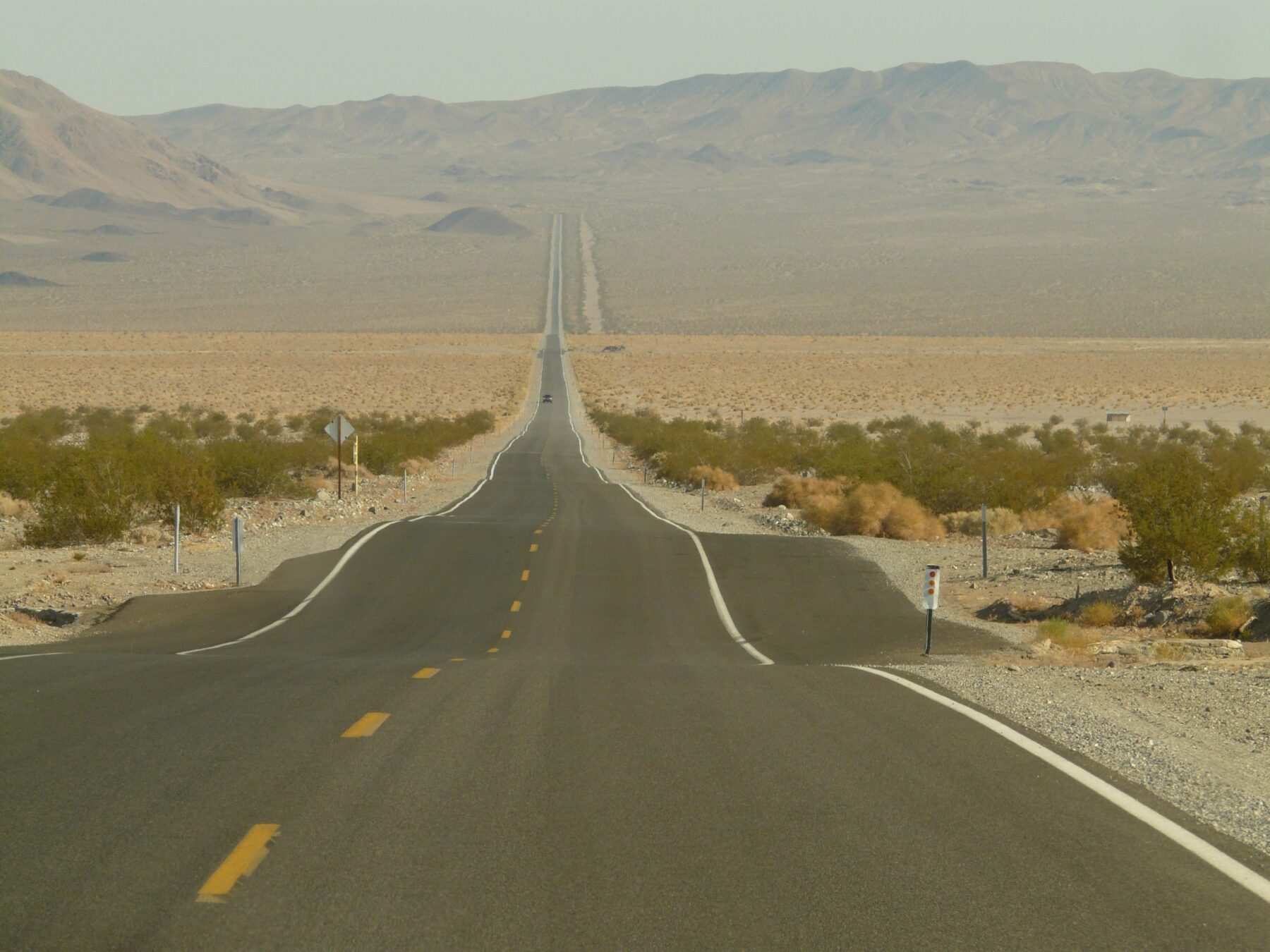
Thermal softening in asphalt mix begins when surface temps climb past 120°F, a regular condition across the upper Midwest from June through August. Binder within the mix loses its ability to hold aggregate particles in place under load, and that’s when rutting starts to develop in high-traffic zones like drive lanes and entry aprons. The damage concentrates where vehicles slow down or idle.
Cracking develops through a separate mechanism as solar radiation breaks down the oxidized binder layer at the pavement surface, making it brittle and prone to fracturing that opens channels for water infiltration. Once water reaches the base, seasonal traffic volume doesn’t need to be heavy to push deterioration forward. The summer damage establishes the failure points that become potholes and heaving by the following spring.
Building the Base That Handles It
Stable pavement starts well below the surface. Precise grading of the subgrade and base layers sets the drainage slope that keeps standing water from saturating the structure from below, which is especially critical in areas with the expansive clay soils common to the region. Even a well-specified asphalt surface will deteriorate prematurely when the grade beneath it isn’t moving water away from the pavement footprint.
Aggregate gradation in the base course determines how well the structure resists both settlement and heave as moisture levels shift through a Midwest summer. Crushed aggregate compacted to the correct density distributes vehicle weight laterally, reducing stress concentration at any single point beneath the surface. Once paving is complete, that base layer isn’t visible, but it determines how the finished surface holds up through a full season of heavy commercial use.
Where Concrete Handles the Pressure
Load concentration at entry aprons and drive lanes pushes heat-softened asphalt past its deformation threshold faster than any other zone in the lot. Surface deformation in these locations creates both safety concerns and maintenance liability that builds quickly through a summer season. Concrete in these zones holds its structural profile through sustained heat exposure because it doesn’t rely on a thermoplastic binder to maintain stiffness.
Concrete flatwork for sidewalks and accessible routes, including wheel stops, carries the same thermal stability advantage. Joint spacing and surface texture specifications affect how the slab manages thermal expansion and how foot traffic interacts with the surface during wet summer conditions. Mix design matched to traffic type and exposure conditions in each zone produces predictable results across a season rather than reactive repairs after damage is already visible.
Drainage Materials and the Perimeter
Surface drainage that functioned adequately through spring can become a liability as summer storm intensity increases. Coordinated inlet placement and properly graded swales move sheet flow off the lot without directing it toward building foundations, and in some locations, permeable edge treatments handle what standard grading alone can’t redirect.
Rainfall during Midwest convective storms comes fast and in volume, and flat or improperly sloped lots create ponding that accelerates pavement edge deterioration. Perimeter buffer zones between pavement and curb areas take on a functional drainage role when filled with properly sized landscaping gravel. The material reduces splash erosion at pavement edges and manages concentrated runoff from large impervious surfaces, maintaining separation between the pavement structure and the surrounding soil.
Gradation matters here because particles that are too fine migrate under water pressure, while particles that are too coarse cannot distribute flow effectively across the surface.
Parking areas that hold through peak summer don’t arrive there by chance. They’re built and maintained with materials specified for sustained surface heat, repeated heavy vehicle loads, and storm drainage volume that spikes with every weather event. For parking areas across Southeast Iowa and West Central Illinois, the right combination of asphalt, concrete, paving aggregate base, and drainage materials produces surfaces that hold through peak season demands. Request a quote from Cessford Construction to evaluate parking area readiness before peak traffic season arrives.