
The Complete Guide to Choosing Concrete for Agricultural Buildings and Farm Structures
Farm buildings place heavy demands on concrete, from loaded equipment and livestock traffic to moisture, chemicals and freezing temperatures. Learn how concrete strength, mix design, drainage and slab thickness affect agricultural structures across Southeast Iowa and West Central Illinois.
August 1, 2026
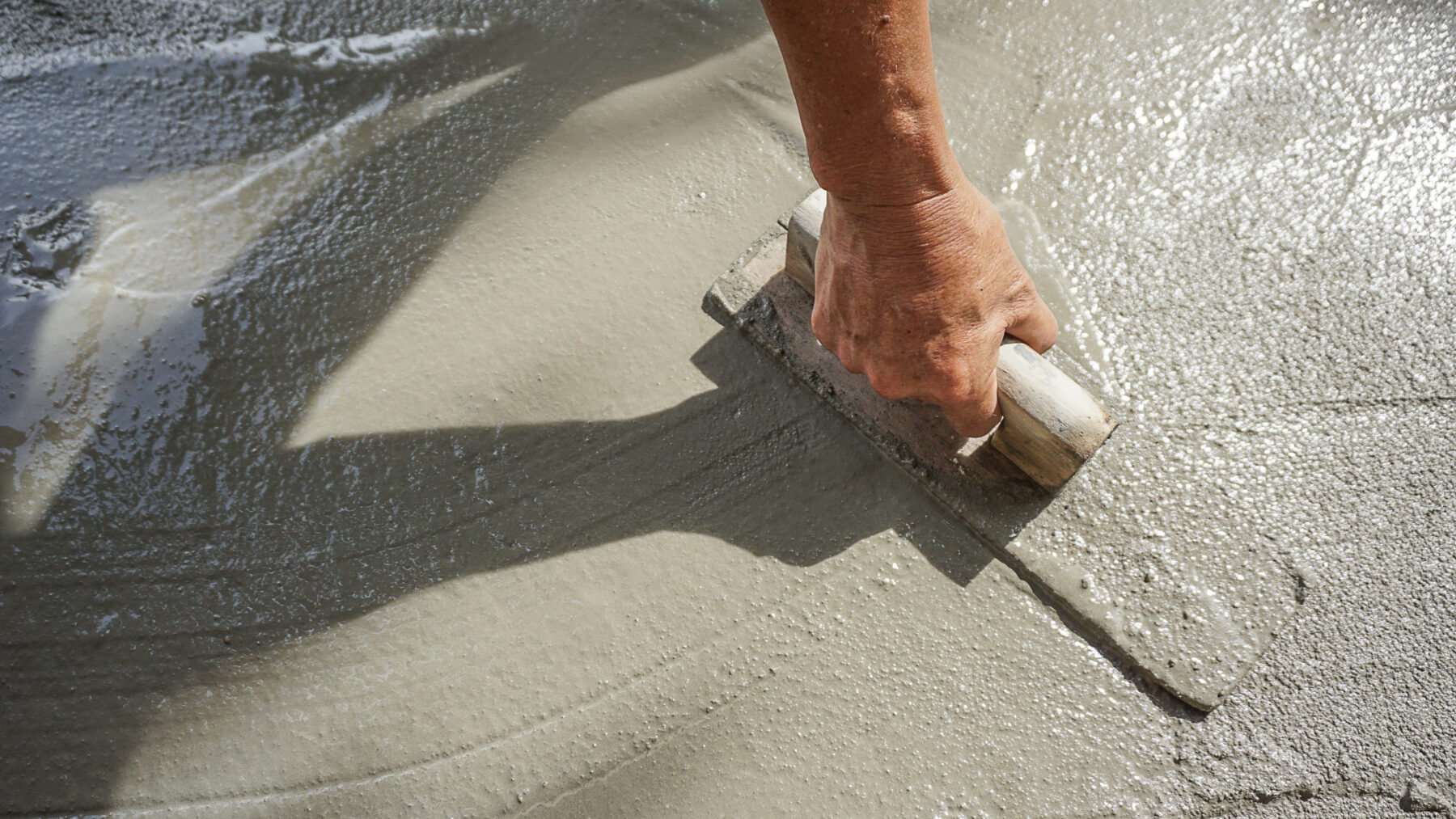
Concrete forms the backbone of a well-built farm. It holds up under the weight of livestock, machinery and stored feed, and it stands firm through years of heavy use. The right concrete keeps a barn floor level, a feedlot clean and a machine shed ready for the largest equipment on the property. Choosing that concrete well starts with understanding how strength, mix design and drainage come together to fit the specific demands of agricultural work.
Farm structures ask more of concrete than most residential projects do. Animal waste, silage acids, fertilizers and constant traffic from loaded equipment all test the surface every day. A slab built with the right specifications handles that workload for decades, while a slab poured without a plan tends to show wear far sooner. This guide walks through the key decisions that shape a durable agricultural pour, from PSI ratings to slab design for different buildings across Southeast Iowa and West Central Illinois.
What Concrete Strength Is Best for Farm Buildings?
Concrete strength is measured in pounds per square inch, or PSI, which describes how much pressure the cured slab can carry before it fails. The right rating depends on what the structure holds and how much traffic rolls across it.
General-purpose farm slabs usually call for a mix in the 3,000 to 4,000 PSI range. That level suits equipment storage, general work areas and light livestock use. Structures that face heavier demands, such as grain storage floors, feedlots and shops that hold large machinery, benefit from 4,000 to 5,000 PSI or higher. The added strength resists the point loads created by loaded tires, jack stands and heavy stationary equipment.
A few conditions push the strength requirement upward:
- Heavy equipment traffic from tractors, combines and loaded grain carts.
- Concentrated point loads from support legs, bins and storage racks.
- Freeze-thaw exposure common across Iowa and Illinois winters.
Matching the PSI to the real workload of the building sets the foundation for everything else. Once the strength target is clear, the mix design turns that number into concrete built for farm conditions.
How Does Mix Design Affect Concrete for Farm Conditions?
A PSI rating tells only part of the story. The mix design, meaning the specific blend of cement, aggregate, water and admixtures, determines how the concrete performs against the daily realities of a working farm.
The water-to-cement ratio carries a lot of weight here. A lower ratio produces denser, stronger concrete that resists moisture and chemical intrusion, which matters greatly in barns and feed areas. Quality aggregate gives the mix its structure and load-bearing strength, so the source of that rock plays a direct role in the finished result. Aggregate drawn from a well-established quarry, such as the historic Le Grand Quarry, delivers the consistency that keeps a large pour uniform from the first yard to the last.
Admixtures fine-tune the mix for specific needs. Air-entraining agents create tiny air pockets that help concrete survive repeated freezing and thawing. Water reducers improve workability without adding extra water that would weaken the slab. For farm environments, these adjustments often make the difference between a surface that holds up and one that scales or cracks early. With the right mix in place, attention turns to the forces that attack concrete from below and within: moisture and chemicals.
Why Does Drainage Matter for Agricultural Slabs?
Water works against concrete in quiet, persistent ways, so guiding it away from the slab protects the whole structure. A floor designed to shed liquid stays cleaner, drier and stronger over its full service life.
Proper slope sits at the heart of good drainage. A gentle grade directs wash water, animal waste and rainfall toward drains or the edge of the slab instead of letting it pool. Standing liquid soaks into the surface over time, weakens the concrete and speeds up damage in freezing weather. Inside dairy barns, hog buildings and other wet environments, drainage channels and floor drains carry waste away efficiently and keep the working surface safe underfoot.
The base beneath the slab supports drainage just as much as the surface above it. A compacted aggregate base gives water a stable path to move through and keeps the subgrade from softening. This is where quality base rock earns its value, since a well-graded aggregate layer holds firm and drains freely. A slab that manages water well also stands a far better chance against the chemicals and heavy loads that define agricultural use.
How Can Concrete Resist Chemicals and Heavy Equipment?
Farm concrete faces a demanding mix of chemical exposure and mechanical stress that few other slabs endure. Manure, silage acids, fertilizers and cleaning agents all wear at a surface over time, while loaded equipment grinds and impacts it daily. Building resistance to both starts with the mix and continues through the finish.
Dense, low-permeability concrete forms the first line of defense against chemical attack. When the mix leaves few voids for liquids to enter, corrosive substances stay on the surface rather than soaking in and breaking down the material from within. Higher PSI concrete naturally offers this density, which is one more reason feed areas and livestock floors benefit from a stronger mix.
Several strategies extend a slab’s resistance to hard use:
- Sealers and coatings that block acids and moisture from reaching the concrete.
- Proper curing that lets the slab reach full strength before it carries heavy loads.
- Adequate thickness matched to the weight of the equipment that will cross it.
Thickness deserves particular attention in equipment areas. A slab that holds passenger vehicles differs greatly from one that supports a loaded combine, so the design has to reflect the heaviest expected load. These durability choices connect directly to the type of slab each farm structure needs.
What Slab Types Work Best for Different Farm Structures?
Each agricultural building places its own set of demands on the concrete beneath it, so the ideal slab varies from one structure to the next. Matching the design to the purpose produces a floor that performs well and lasts.
Machine sheds and equipment storage buildings need thick, high-strength slabs that carry concentrated wheel loads without cracking. A reinforced slab, often strengthened with rebar or wire mesh, spreads those loads and resists the stress of heavy traffic. Livestock barns call for slabs that balance strength with safety, since animals need a surface that drains well and offers reliable footing. A broom or textured finish adds traction on floors that stay wet.
Grain storage and feed areas demand concrete that resists both heavy static loads and chemical wear from stored materials. A dense, high-PSI mix with a sealed surface holds up to the pressure of full bins and the acids that grain and silage release. Shops and utility buildings often benefit from a smooth, durable finish that stands up to tools, chemicals and daily foot traffic while staying easy to clean.
Across all of these structures, a well-compacted base, proper reinforcement and a mix suited to the local climate carry the greatest weight. A supplier familiar with the conditions of Southeast Iowa and West Central Illinois can help match aggregate, strength and slab design to each building on the property, turning sound planning into a surface built to last.
Frequently Asked Questions
What PSI Concrete Is Recommended for a Barn Floor?
Most barn floors perform well with a mix in the 3,500 to 4,000 PSI range. Areas that hold heavy equipment, grain or concentrated livestock traffic often move up to 4,000 or 5,000 PSI. The right rating depends on the loads the floor will carry and the moisture and chemicals it will face.
How Thick Should a Concrete Slab Be for Agricultural Equipment?
A slab built for heavy farm equipment usually runs five to six inches thick, and sometimes more for the largest machinery. Thickness works alongside reinforcement and a solid compacted base to spread heavy wheel loads and prevent cracking under stress.
Does Concrete Need to Be Sealed in Livestock Buildings?
Sealing is highly recommended in livestock and feed areas. Manure, silage acids and cleaning agents wear at unprotected concrete over time. A quality sealer blocks these substances from soaking into the surface, which extends the life of the slab and keeps it easier to clean.
How Does Winter Weather Affect Farm Concrete?
Repeated freezing and thawing puts real stress on concrete throughout Iowa and Illinois winters. Air-entrained concrete, a low water-to-cement ratio and good drainage all help the slab resist scaling and cracking. These measures keep the surface sound through years of seasonal change.
Why Does the Aggregate Source Matter for Farm Concrete?
Aggregate makes up the majority of a concrete mix, so its quality shapes the strength and consistency of the finished slab. Rock drawn from an established quarry delivers dependable gradation load after load, which keeps a large agricultural pour uniform and reliable from start to finish.